


How to Make Your Small Space Have a Big Impact in Your Home Remodel

When remodeling your home, small spaces can have a big impact with the right design choices. Remodeling a small space doesn’t mean you have to compromise on style, functionality, or impact. In fact, with the right strategies, small spaces can have a huge personality and serve as both practical and stunning parts of your home. Whether you're working with a tiny apartment, a small bathroom, or simply looking to maximize space in your home, these design ideas can help you make a big impact in your remodel.
1. Choose Multi-Functional Furniture
When working with limited square footage, furniture that serves multiple purposes is a game-changer. Think about investing in pieces that do more than just look good. For example:
Murphy beds or fold-out couches are perfect for turning your living room into a guest bedroom when needed.
Storage ottomans and coffee tables can offer hidden storage, helping you declutter while also providing seating and surface space.
Expandable dining tables allow you to create a cozy eating area for two but expand to host guests when needed.
These clever furniture choices help you maximize functionality without sacrificing style.

2. Maximize Vertical Space
In small spaces, vertical space is your best friend. Rather than focusing solely on floor space, look up to make the most of your walls.
Wall-mounted shelves and floating bookshelves are perfect for displaying decor, books, or storing everyday items.
Consider tall cabinets or tall storage units that can keep your belongings out of sight while keeping floor space free.
Vertical planters and hanging plants can add greenery without taking up counter or shelf space.
These space-saving hacks not only make your small space feel more organized but also draw the eye upward, creating the illusion of height.

3. Make Use of Mirrors
Mirrors are an interior design secret weapon when it comes to small spaces. They reflect light and give the illusion of depth, making your space feel much bigger and brighter. Consider these options:
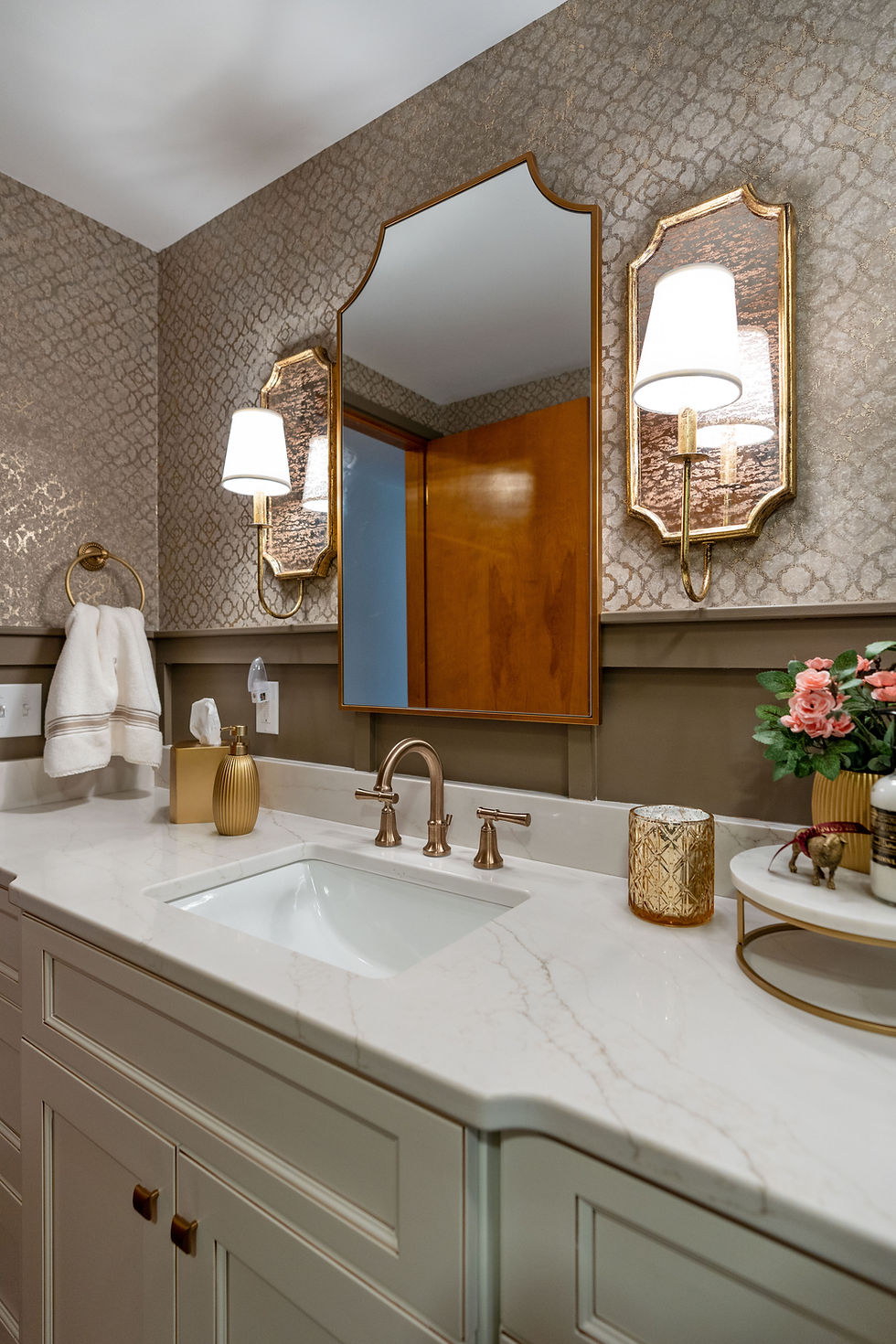
Full-length mirrors on a wall can visually double the size of a room and make it feel more expansive.
Mirrored furniture or decor items like side tables, picture frames, and light fixtures add a touch of glamour while also increasing the perception of space.
Strategically placed small mirrors can reflect natural light, making a room feel open and airy.
The more reflective surfaces, the more spacious and dynamic the room will appear.
4. Incorporate Lighter Colors
Color plays a significant role in how a space feels. Light, airy tones help to open up a room, make it appear larger, and create a sense of openness. Instead of dark shades that absorb light, opt for:
Soft neutrals like whites, light grays, and pastel tones for walls and furniture.
Pale blues, greens, or blush pinks can add a calming, spacious feel without overwhelming the room.
Even small pops of color, like accent pillows or a vibrant rug, can inject personality into the space without making it feel cramped.
If you do use bold colors, consider limiting them to accent walls or decor to keep the overall feel light and open.
5. Consider Sliding Doors
Traditional swinging doors can waste a lot of space in smaller rooms. If you're remodeling, consider replacing standard doors with sliding doors or barn doors. These not only add a unique touch to your space but also free up valuable square footage that would otherwise be taken up by door swings.
Sliding doors are perfect for bedrooms, bathrooms, and even closets in small apartments or homes, allowing you to maximize your layout without feeling cramped.

6. Add Built-In Features
Built-in furniture and storage can create a seamless, custom look that maximizes space. These designs are tailored to fit your room perfectly, making every inch count.
Built-in bookshelves and niches can provide storage while giving your space a unique architectural touch for a great reading corner.
Window seats with built-in storage are both practical and cozy, offering extra seating and storage space to hide away clutter, think breakfast nook.
Integrated desks or fold-out tables work well in home offices, kitchens, or dining areas, allowing you to keep your space clear when not in use.

7. Play with Lighting
Lighting is a small detail that can make a big difference in a small space. Proper lighting helps set the mood and can make a room feel larger. Here are some lighting ideas that can open up your space:
Recessed lighting or track lighting helps illuminate a room without taking up valuable floor or wall space.
Wall sconces can add ambient lighting and create a warm, inviting atmosphere. They reduce the need for floor lamps or bulky fixtures, creating a more open feel while still providing adequate illumination.
Pendant Lights create a statement over tables or counters to add drama without sacrificing space.
Incorporating natural light is also key, so try to keep windows unobstructed and use light, airy window treatments like sheer curtains or blinds.
8. Keep the Layout Open and Flexible
Avoid overcrowding a room with too much furniture. Instead, opt for open-plan layouts where furniture is kept minimal but still functional. For example, a small living room can be transformed by using a modular sofa that can be rearranged based on your needs.
9. Create Focal Points
Even in small rooms, a bold focal point can add personality and make the space feel intentional. Here’s how:
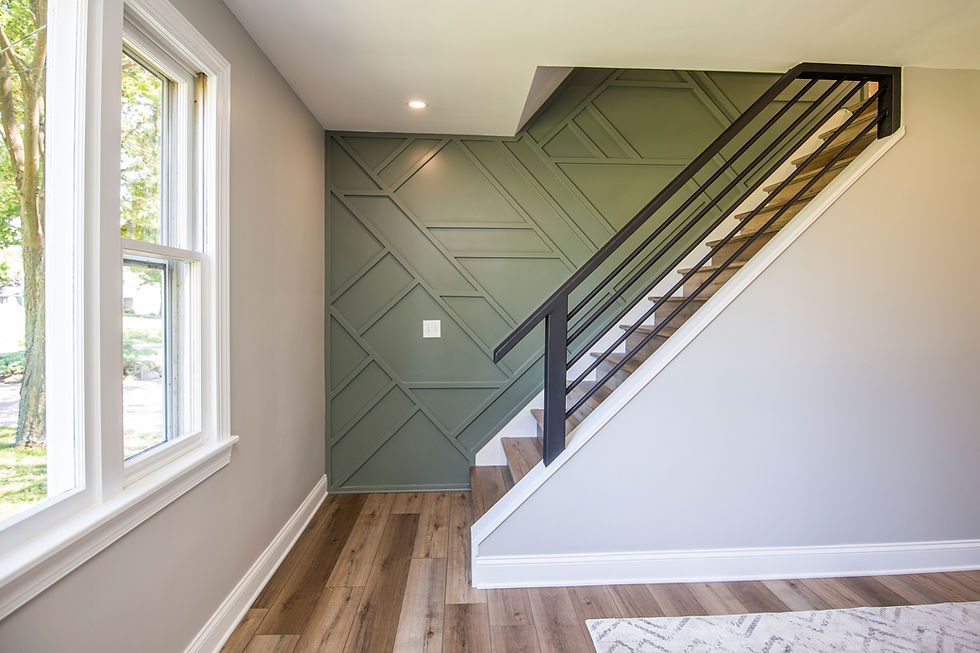
Create a statement accent wall with wallpaper, bold paint, or textured materials (like wood paneling or exposed brick).
Install unique lighting fixtures or art pieces that draw the eye.
A bold area rug or statement piece of furniture can also anchor the space and give it character.
By creating focal points, you draw attention away from the smallness of the space and bring the design to life.
Small Spaces, Big Impact
Remodeling a small space presents a unique challenge, but it also offers incredible opportunities to get creative. By making thoughtful design choices and maximizing your space through multifunctional furniture, strategic lighting, and clever storage, you can transform even the tiniest room into a stylish, functional, and impactful area of your home. Remember: it’s not about the size of the space, but how you use it. When working with a contractor or designer, don’t be afraid to ask for pieces that are designed specifically for your home’s measurements. A small space doesn’t have to feel cookie-cutter – with some creativity and customization, it can become your perfect sanctuary.


Comments